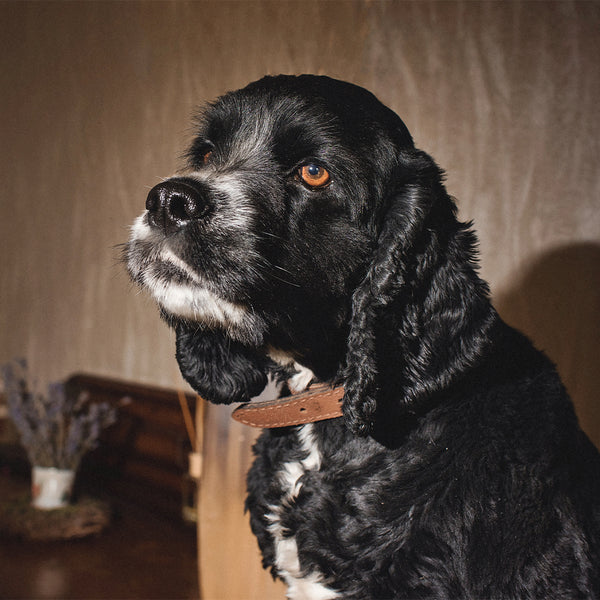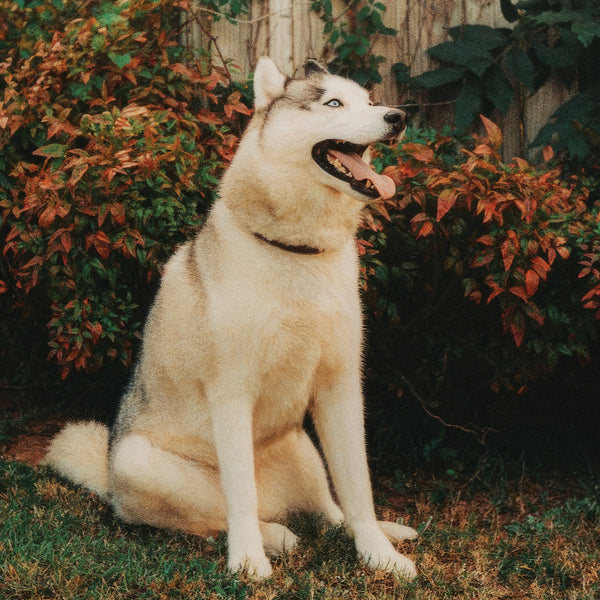


Border Collies are the world's preeminent working and sport dog breed — extraordinarily athletic, often living into their mid-teens with appropriate care. Their health challenges are different from the high-prevalence atopic breeds: less allergy-driven, more orthopedic and neurological. Understanding what this breed is actually at risk for produces a more targeted supplement approach than the generic "allergy + joint + digestion" protocol applied to most breeds.
The Border Collie health profile
Hip dysplasia: Despite their athletic appearance, Border Collies have moderate hip dysplasia prevalence — lower than Shepherds and Retrievers, but significant given the high mechanical demands on their joints from sport and working activity. Annual OFA evaluation and preventive joint supplementation from 12–18 months is appropriate for working and sport dogs.
Progressive retinal atrophy (PRA) and Collie Eye Anomaly (CEA): Genetic eye conditions with no supplement intervention, but relevant for breeding decisions. Genetic testing for CEA and TNS (trapped neutrophil syndrome) should be standard for responsible breeding.
Epilepsy: Border Collies have elevated epilepsy rates compared to most breeds. Seizure management is a veterinary intervention; omega-3 fatty acids at therapeutic doses have modest evidence for reduced seizure frequency in epileptic dogs as an adjunct. This is not a substitute for anticonvulsant medication in affected dogs but may be relevant in conjunction.
Trapped neutrophil syndrome (TNS): A genetic immune disorder causing chronic infections, failure to thrive, and early death. Carrier prevalence in the breed is significant. TNS dogs have severely compromised immune function; aggressive gut and immune support is standard supportive care.
Exercise-induced conditions: Working and sport Border Collies accumulate significant joint stress over a career. Cumulative cartilage wear from high-intensity repetitive work — agility, herding, flyball — makes therapeutic joint supplementation standard preventive care for working dogs.
Collie drug sensitivity (MDR1/ABCB1 mutation): Many Border Collies carry the MDR1 mutation, which affects their ability to metabolize certain drugs (ivermectin, loperamide, some chemotherapy agents). This is relevant when choosing flea/tick prevention and should be disclosed to any veterinarian.
Supplement priorities for Border Collies
Joint support — highest priority for working/sport dogs: Glucosamine + chondroitin + MSM + turmeric started by 12–18 months, before the cumulative working load creates visible symptoms. At 40+ mg EPA+DHA per pound, omega-3 addresses the inflammatory component of joint degeneration. For high-activity working dogs, these should be considered standard daily maintenance, not a response to symptoms.
Digestive support: Not a breed-specific vulnerability, but universal benefit. Daily probiotic + enzyme support maintains the gut-immune axis and ensures complete nutrient absorption from food — relevant for a high-performance working dog where nutritional efficiency matters.
Omega-3 for neurological and cardiovascular health: DHA is the primary structural fat in brain and nerve tissue. For an epilepsy-susceptible breed, and for the cognitive demands of high-intelligence working dogs, therapeutic omega-3 is worth prioritizing beyond standard anti-inflammatory dosing. At 40–55mg EPA+DHA per pound, the anti-inflammatory effect is the primary benefit; the neural DHA contribution is secondary but real.
Life stage considerations
Working prime (1–7 years): Joint support + omega-3 is the core protocol. Digestive care daily. Allergy support only if symptoms emerge — Border Collies are lower atopy than most.
Senior (8+ years): Add full digestive enzyme support as pancreatic efficiency declines. Maintain joint protocol at therapeutic doses — aging working dogs have significant accumulated joint wear. Cognitive support (DHA from omega-3) becomes more relevant with age.
Retired working dogs: Reduced exercise load can lead to weight gain and reduced cardiovascular fitness. Maintaining supplement protocols through retirement supports the long healthy senior years typical of well-cared-for Border Collies.
For joint support: dog joint supplement guide · hip dysplasia supplements · large breed supplements. MAYA's Joint Care and Digestive Care are the core protocol for working Border Collies.