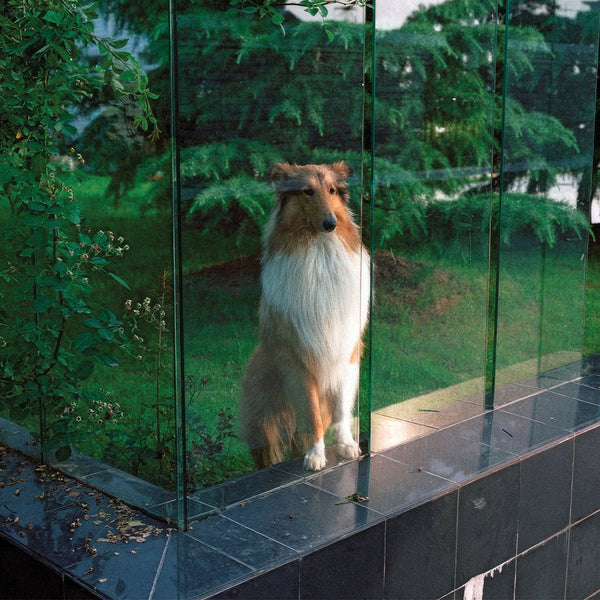


Acute moist dermatitis — "hot spots" — is one of the most common dermatology presentations in veterinary practice, particularly in long-coated breeds. A hot spot appears rapidly: a moist, red, oozing patch of inflamed skin that the dog scratches and bites compulsively. Within hours, a small irritation becomes a large lesion. Understanding what triggers them and why they recur determines whether treatment actually helps long-term.
What's actually happening
A hot spot begins when something breaks the skin barrier and allows bacteria — primarily Staphylococcus pseudintermedius — to colonize the superficial dermis. The dog's response to bacterial invasion (itching, licking, biting) damages the barrier further and spreads the infection, creating the self-propagating cycle that makes hot spots grow so rapidly.
The critical question is what broke the barrier in the first place. There are two primary triggers:
Moisture events: Swimming, rain, poor coat drying, or matted fur that traps moisture against the skin creates a favorable bacterial environment. Golden Retrievers and Labs are particularly prone because of their dense, water-trapping coats. In these cases, the hot spot is an opportunistic infection and the trigger is mechanical.
Allergic pruritus: Allergic dogs scratch, bite, and lick at their skin as a primary symptom of allergy. This self-trauma breaks the skin barrier and initiates the same bacterial cascade. In allergic dogs, hot spots are not a separate problem — they're secondary infections developing on top of primary allergic disease. Treating only the hot spot (antibiotics, clipping, topical treatment) without treating the allergy means the next scratch, the next bite, the next secondary infection happens in 4–6 weeks.
Why Golden Retrievers get hot spots constantly
Goldens have the double vulnerability: they love water (frequent moisture exposure) and have above-average allergy rates. Their dense double coat traps moisture and creates the warm, humid environment bacteria thrive in. For allergic Goldens, addressing the allergy reduces the frequency of scratching events; proper coat drying after water exposure reduces the moisture trigger. Both matter.
Immediate management
- Clip the fur: Expose and air out the lesion — hot spots extend well beyond the visible wound. Clipping 2–3 inches around the lesion is standard.
- Clean gently: Dilute chlorhexidine or povidone-iodine wash removes superficial bacteria and debris.
- Dry thoroughly: Moisture is the hot spot's friend. Keep the lesion dry.
- Prevent self-trauma: E-collar while healing. Any continued licking/chewing restarts the cycle.
- Veterinary assessment: Severe hot spots or those that don't improve within 48–72 hours with topical management may require systemic antibiotics and/or short-term steroid treatment.
Breaking the recurrence cycle
For dogs who get hot spots repeatedly, the recurrence pattern tells you the cause:
Seasonal hot spots: Allergy-driven. Appear when pollen is high, worsen outdoors. Proactive immune management before allergy season starts — quercetin + bromelain + omega-3 — reduces the allergic inflammation that drives the scratching events.
Post-swimming or post-rain hot spots: Moisture-triggered. Rigorous towel drying, particularly in coat folds and around the neck, ears, and back legs immediately after water exposure prevents the moisture from developing into a hot spot.
Year-round hot spots: Consider food allergy contribution (an elimination diet trial is diagnostic) alongside environmental management. Year-round allergy supplementation rather than seasonal dosing.
The supplement approach
For allergy-driven hot spots, the supplement protocol is the same as for any atopic dog: quercetin + bromelain for mast cell stabilization and inflammatory cytokine reduction, omega-3 for skin barrier support and systemic anti-inflammatory effect. A dog with a strong skin barrier and lower allergic inflammation is less likely to develop secondary infections from minor scratching — the scratching events don't reach the self-perpetuating stage.
Skin barrier support specifically: omega-3, biotin, and zinc contribute to the structural integrity of the skin barrier. Dogs with omega-3 deficiency have compromised barrier function, which makes them more vulnerable to secondary bacterial infection from any trauma, including allergy-driven scratching.
For the allergy root cause: dog allergy supplement guide · dog skin supplement · natural allergy remedies. MAYA's Allergy and Skin & Coat supplements address both the immune driver and the skin barrier vulnerability.