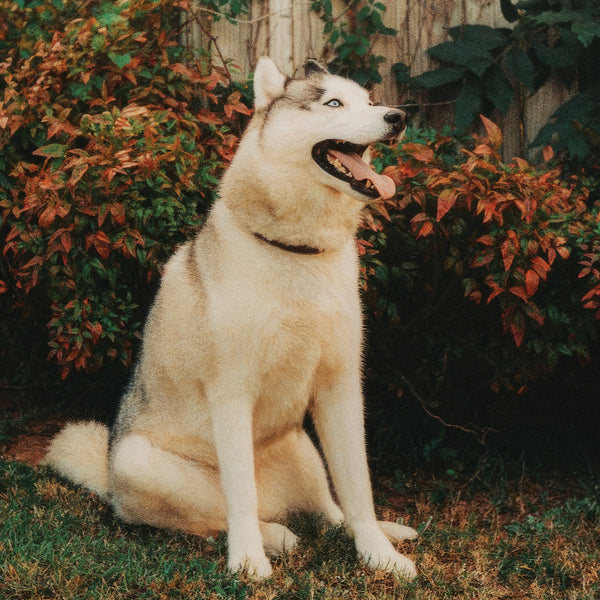


The phrase "immune booster" is one of the most overused terms in pet supplements. The immune system is not a dial you turn up — it's a complex regulatory network that can fail in two directions: underactive (insufficient response to pathogens) or overactive (allergies, autoimmune disease). The goal of evidence-based immune support is appropriate regulation, not generic amplification.
The gut-immune axis: the most important lever
Approximately 70–80% of the immune system resides in gut-associated lymphoid tissue (GALT) — Peyer's patches, mesenteric lymph nodes, intraepithelial lymphocytes, and lamina propria cells collectively sample the intestinal environment and calibrate systemic immune responses. This is why gut health is the most impactful single target for immune support in dogs.
When the gut microbiome is diverse and balanced, regulatory T cells (Tregs) develop appropriately, maintaining immune homeostasis. When gut dysbiosis occurs — from antibiotics, stress, poor diet, or chronic inflammation — this calibration breaks down. The result can be either inappropriate immune activation (allergies, food sensitivities, inflammatory bowel disease) or reduced immune competence (increased susceptibility to infection).
Probiotics: Multi-strain probiotic supplementation restores microbiome diversity and supports the gut-GALT signaling pathways that calibrate immune responses. Specific strains (Lactobacillus rhamnosus, Bifidobacterium animalis) produce short-chain fatty acids that directly support regulatory T cell development and mucosal IgA production.
Quercetin and immune modulation
Quercetin modulates immune function through multiple mechanisms:
- Inhibits histamine release from mast cells, reducing IgE-mediated hypersensitivity reactions
- Downregulates Th2 cytokine production (IL-4, IL-5, IL-13) — the pathway driving allergic disease
- Inhibits NF-κB inflammatory signaling
- Demonstrates antiviral properties against several viral families (blocks viral entry and replication)
Quercetin's effect is modulatory, not simply stimulatory — it reduces overactive allergic responses while supporting appropriate antiviral defenses. This dual effect makes it useful for atopic dogs whose immune system is simultaneously overreacting to allergens and potentially underprepared for pathogens due to chronic immune resource exhaustion.
Colostrum and mucosal immunity
Bovine colostrum provides secretory IgA (the primary antibody at mucosal surfaces), proline-rich polypeptides (PRPs) that regulate immune activation, and lactoferrin with broad antimicrobial properties. It addresses the mucosal immune layer — the first line of defense at all body interfaces with the environment (gut, respiratory tract, skin).
Omega-3 and immune regulation
EPA and DHA are precursors to specialized pro-resolving mediators (SPMs) — resolvins, protectins, and maresins — that actively terminate inflammatory responses rather than just suppressing them. SPMs are the immune system's "off switch" for inflammation, and their production depends on adequate EPA and DHA availability. In dogs with chronic inflammatory conditions (allergies, arthritis, IBD), SPM signaling is chronically depleted — omega-3 supplementation restores the capacity to resolve inflammation appropriately.
Vitamin E and antioxidant immune support
Vitamin E is a fat-soluble antioxidant that protects immune cell membranes from oxidative damage during immune activation. Immune cells produce reactive oxygen species during activation; vitamin E scavenges these radicals, maintaining immune cell viability. Deficiency is associated with impaired T cell and B cell function and increased susceptibility to infection. Most commercial dog foods contain adequate vitamin E; supplementation becomes relevant in dogs with fat malabsorption or chronic inflammatory states.
What doesn't work: "immune booster" marketing products
Products marketed as generic "immune boosters" often rely on ingredients like echinacea, astragalus, or proprietary blends with insufficient doses of anything. Echinacea has modest evidence in humans but limited veterinary data. These products appeal to the intuition that more immune activity is better — which is precisely wrong for the majority of dogs whose immune problems are overactivity (allergies), not underactivity.
For immune regulation: dog allergy supplement guide · dog digestion supplement · probiotics for dogs. MAYA's Allergy supplement and Digestive Care target immune regulation through the two most evidence-supported pathways: mast cell modulation and gut-immune axis restoration.