

Miniature Pinscher Health Problems: A Breed-Specific Supplement Guide
The Miniature Pinscher — affectionately called the "Min Pin" — is not a miniaturized Doberman, as is often assumed, but an ancient German breed in its own right. Bold, energetic, and self-assured to a degree that belies its small stature, the Min Pin carries itself with a distinctive high-stepping "hackney gait" and an outsized personality. Min Pins typically live 12 to 16 years, making them one of the longer-lived small breeds. Their health picture is generally favorable, but several conditions occur with notable frequency that owners should understand and monitor proactively.
Legg-Calvé-Perthes Disease
Legg-Calvé-Perthes disease (LCP) is one of the most significant orthopedic conditions in small breeds, and Miniature Pinschers are among those predisposed. LCP involves spontaneous avascular necrosis of the femoral head — the ball portion of the hip joint loses its blood supply, causing the bone to die and collapse. This leads to severe pain, muscle wasting of the affected rear leg, and progressive lameness, typically in dogs between 4 and 12 months of age.
The cause is not fully understood but is believed to involve both genetic predisposition and circulatory factors. Treatment is almost always surgical — femoral head and neck ostectomy removes the necrotic bone and allows a fibrous pseudojoint to form. Prognosis with surgery is generally good, especially in small dogs where body weight is not excessive. Post-surgical recovery involves physical rehabilitation, and nutritional support plays a role in maintaining the health of remaining joint structures. Glucosamine and chondroitin help maintain cartilage in the unaffected hip and other joints. MAYA Hip & Joint Supplement provides these building blocks alongside MSM to support recovery and long-term joint health after LCP treatment.
Patellar Luxation
Patellar luxation — dislocation of the kneecap — is extremely common in small-breed dogs, and Miniature Pinschers are one of the more frequently affected breeds. The patella normally sits in a groove on the front of the femur, gliding smoothly during flexion and extension of the stifle (knee) joint. In affected dogs, the groove is too shallow, the limb alignment is abnormal, or ligament laxity is present — causing the kneecap to slip inward (medial luxation) during movement.
Signs range from intermittent "skipping" lameness (holding one rear leg up briefly while walking) to persistent three-legged gait and obvious discomfort. Grading runs from I to IV, with higher grades indicating more severe and permanent displacement. Grades III and IV typically require surgical correction. Patellar luxation accelerates cartilage wear in the stifle and is often associated with cranial cruciate ligament disease over time. Joint supplement support — glucosamine, chondroitin, omega-3 fatty acids — helps manage the arthritic consequences of luxation and supports cartilage in affected joints.
Cardiac Conditions
Miniature Pinschers can be affected by various cardiac conditions, including mitral valve disease and, less commonly, congenital defects such as patent ductus arteriosus. Mitral valve disease — the most common cardiac disease in small-breed dogs overall — involves progressive degeneration of the heart's mitral valve, eventually causing regurgitation and, in advanced cases, congestive heart failure.
Annual cardiac auscultation (listening with a stethoscope) by a veterinarian can detect heart murmurs early. Dogs with diagnosed cardiac disease require veterinary-supervised management, and any supplements should be reviewed for cardiac relevance — fish oil (omega-3s) has supporting evidence for cardiac health in dogs, potentially reducing inflammatory burden and supporting heart muscle function. Coenzyme Q10 and taurine are discussed in veterinary cardiology circles, though evidence is more established in cats than dogs. Always consult your veterinarian before supplementing a dog with diagnosed heart disease.
Skin Issues and Allergies
Min Pins have a short, tight, single-layer coat that offers minimal environmental protection. This makes them prone to skin dryness, contact irritation, and cold sensitivity. The breed can also experience environmental and food-related allergies, presenting as persistent itching, paw licking, skin redness, and recurring ear infections.
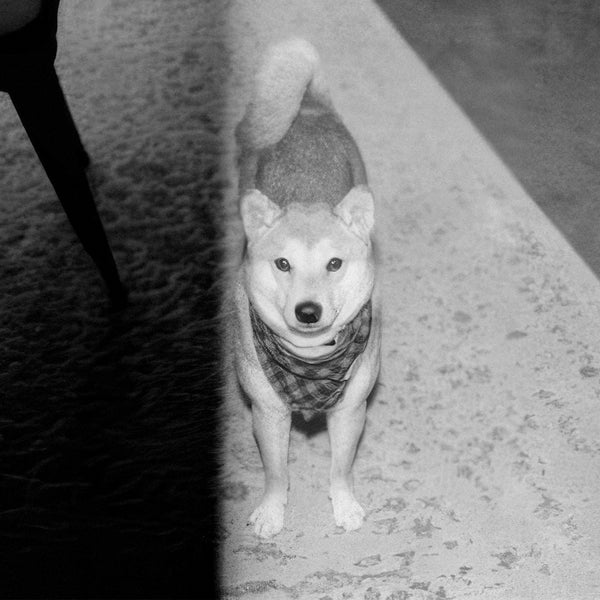
Omega-3 fatty acids (EPA and DHA) reduce the inflammatory cascade underlying allergic skin disease and improve the skin's lipid barrier, reducing dryness and sensitivity. Quercetin provides additional antihistamine-like support, helping to modulate the immune response that drives allergic reactions. MAYA Allergy Supplement combines omega-3s and quercetin with nettle leaf to address the skin-allergy picture common in small, short-coated breeds like the Miniature Pinscher. In cold climates, Min Pins often benefit from a coat or sweater during outdoor winter exercise — this is not pampering but practical temperature management for a breed with minimal insulation.
Supporting Your Min Pin's Active, Long Life
Miniature Pinschers are surprisingly robust for their size, but they are also high-energy dogs that put their small joints under significant stress. Maintaining a lean body weight is especially important — even small amounts of excess weight place disproportionate mechanical load on already predisposed joints like the stifle and hip. Regular exercise, ideally including both physical and mental stimulation, keeps Min Pins lean, engaged, and physically fit.
Dental disease is a major health concern in small breeds and should receive consistent attention — daily or near-daily tooth brushing, professional cleanings under anesthesia as recommended by your veterinarian, and dental-appropriate chews. Annual physical exams including cardiac auscultation, orthopedic assessment, and bloodwork provide the early-detection foundation on which targeted supplementation and dietary adjustments can build. With proactive ownership, the Miniature Pinscher is well-equipped to live a long, spirited life.