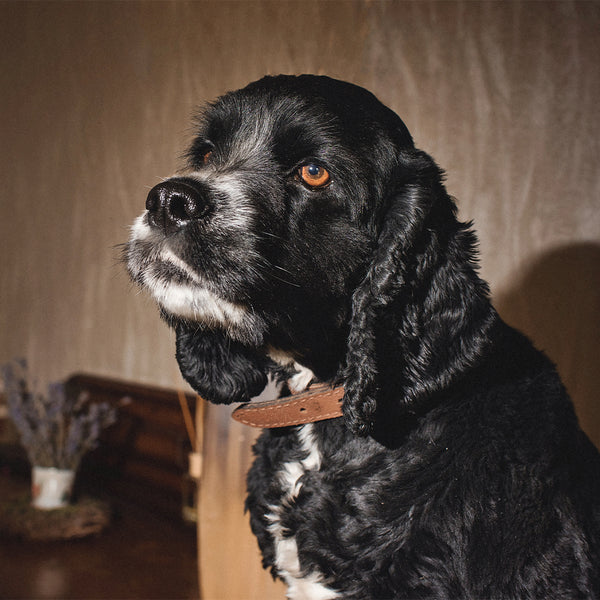


Poodles are among the longest-lived dog breeds — Standards regularly reach 12–15 years, Miniatures and Toys even longer. Their intelligence and genetic diversity across sizes mean health challenges differ between varieties. But all three sizes share significant allergy vulnerability, and the supplement protocol needs to account for their specific risks by size.
The Poodle health profile
Allergies (atopic dermatitis): One of the most important health concerns across all three varieties. Poodles have high atopy rates — environmental allergies presenting as skin irritation, paw licking, facial rubbing, and recurring ear infections. The low-shedding coat that makes Poodles popular for allergy sufferers doesn't reduce the dog's own allergic disease risk. Allergy management is the most common supplement need in this breed.
Addison's disease (hypoadrenocorticism): Poodles have one of the highest Addison's disease rates of any breed. Addison's involves destruction of the adrenal cortex, impairing production of cortisol and aldosterone. It causes episodic weakness, vomiting, lethargy, and in Addisonian crisis, can be life-threatening. Dogs receiving corticosteroid replacement therapy benefit from gut support given the GI effects of long-term steroid use.
Hip dysplasia: Standard Poodles have significant hip dysplasia prevalence — comparable to larger retrievers. Preventive joint supplementation from 12–18 months is appropriate for Standard Poodles given their size and lifespan. Miniature and Toy Poodles have much lower dysplasia rates but are prone to patellar luxation.
Sebaceous adenitis: An immune-mediated skin condition causing the immune system to attack sebaceous glands, leading to hair loss, scaling, and chronic skin infections. More common in Standards; anti-inflammatory supplementation and omega-3 are part of the management approach alongside veterinary treatment.
Bloat (GDV): Standard Poodles are deep-chested and at moderate GDV risk — lower than Great Danes or Irish Wolfhounds, but enough to warrant feeding precautions (smaller meals, no exercise immediately after eating).
Size-specific supplement notes
Standard Poodle (45–70 lbs): Joint support from 12 months (hip dysplasia risk), therapeutic omega-3 (40+ mg EPA+DHA per pound), allergy management. Full four-category protocol for adults.
Miniature Poodle (10–15 lbs): Allergy management primary concern. Joint support if patellar luxation is present. Digestive support for dogs with sensitive stomachs or on long-term medication.
Toy Poodle (4–6 lbs): Allergy support at smaller doses. Extremely long-lived — Toy Poodles routinely reach 15–18 years; long-term daily support is particularly relevant. Patellar luxation common; weight management is non-supplemental but critical.
The Poodle supplement protocol
- Allergy (quercetin + bromelain + omega-3) — all sizes benefit, most need this. The primary supplement category for this breed.
- Digestive Care (probiotics + enzymes) — gut-immune axis support; particularly important for Poodles on corticosteroids for Addison's or sebaceous adenitis
- Joint Care — Standard Poodles from 12 months; Miniature/Toy if showing patellar symptoms
- Skin & Coat (omega-3 + biotin + zinc) — for Poodles with sebaceous adenitis or poor coat quality alongside allergy management
MAYA's Allergy supplement is the highest-priority single product for Poodles. Full protocol: Complete Wellness Stack.
Related: allergy supplement guide · dog skin supplement · joint supplement guide.