
Zinc for Dogs: Skin, Immune, and Keratinocyte Support
Zinc is an essential trace mineral involved in over 300 enzymatic reactions in the body — including keratinocyte proliferation (skin cell production), T-cell immune function, wound healing, and reproductive health. In dogs, zinc deficiency manifests most visibly in the skin, where keratinization disorders cause scaling, crusting, and hair loss. In Nordic breeds, a genetic defect in zinc absorption makes this deficiency common despite adequate dietary zinc intake.
Zinc-responsive dermatosis in Nordic breeds
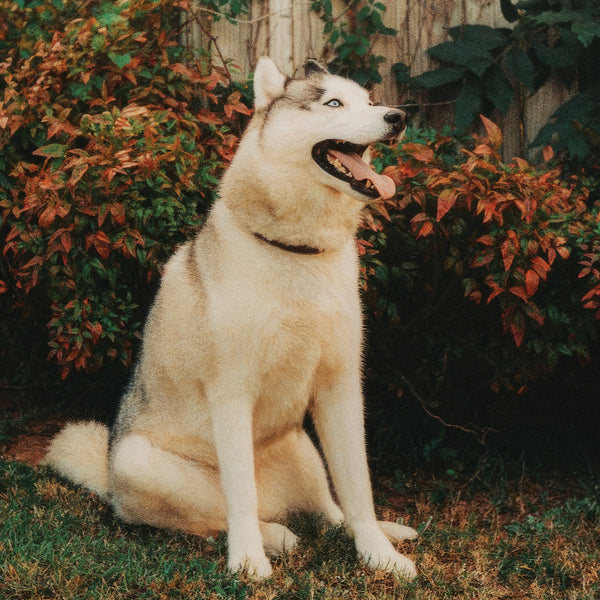
Siberian Huskies, Alaskan Malamutes, and related Nordic breeds have an inherited impairment in intestinal zinc absorption. These dogs develop zinc deficiency despite normal dietary zinc levels — presenting with symmetrical crusting and scaling around the muzzle, lips, eyes, and paw pads. This is called Syndrome I zinc-responsive dermatosis, and it is breed-specific. Treatment with supplemental zinc (particularly chelated forms) produces dramatic improvement within weeks.
How zinc supports dogs
- Keratinocyte function: Zinc is required for normal skin cell (keratinocyte) proliferation and differentiation. Deficiency disrupts the skin cell turnover cycle, causing parakeratosis (abnormal keratinization) and scaling.
- T-cell immune function: Zinc is essential for thymulin — a thymus hormone required for T-cell maturation. Zinc deficiency impairs both innate and adaptive immunity.
- Wound healing: Zinc is rate-limiting for wound repair — collagen synthesis, cell proliferation, and inflammatory resolution all require adequate zinc.
Zinc forms and absorption
| Zinc form | Relative bioavailability | Notes |
|---|---|---|
| Zinc methionine | Highest | Best for zinc-responsive dermatosis |
| Zinc chelate (gluconate, picolinate) | High | Good general supplementation |
| Zinc sulfate | Moderate | Higher GI side effect risk |
| Zinc oxide | Low | Avoid — poor absorption, can be toxic at high dose |
Dose guide
General supplementation: 2–3mg elemental zinc per kg body weight per day. For zinc-responsive dermatosis in Nordic breeds: 2–3mg/kg/day of chelated zinc — response typically seen in 2–6 weeks. Do not combine high-dose zinc with high-dose calcium supplements (competition for absorption).
Bundle with Allergy & Immune for complete skin and immune support.
See also: skin supplement guide · Husky allergy supplements