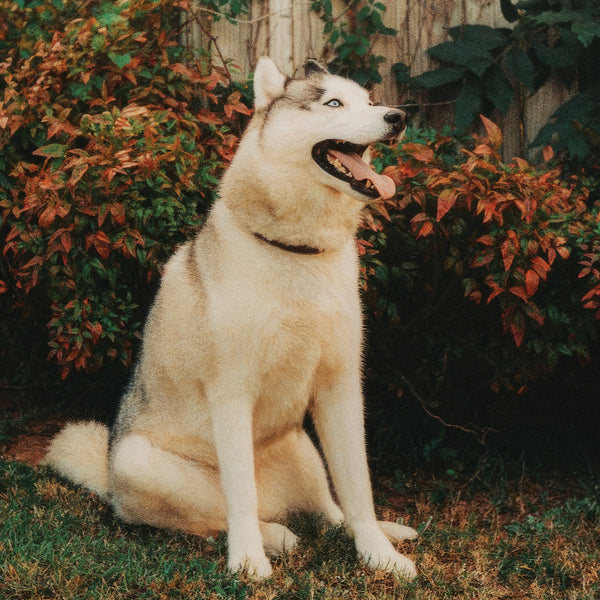


Akitas are a powerful Japanese breed with a distinctive immune profile — they are prone to autoimmune and immune-mediated diseases at higher rates than most breeds, alongside significant joint disease and a breed-specific skin condition. Their supplementation protocol requires more attention to immune modulation than most large breeds.
The Akita health profile
Immune-mediated and autoimmune conditions: Akitas have elevated rates of immune-mediated diseases including pemphigus foliaceus (autoimmune skin disease), uveodermatological syndrome (VKH-like, affecting eyes and skin), hypothyroidism (autoimmune thyroiditis), and immune-mediated hemolytic anemia. This breeds-specific immune dysregulation means supplement approaches that modulate immune function (rather than broadly stimulate it) are appropriate.
Sebaceous adenitis (SA): SA is a skin condition affecting Akitas at notably higher rates than other breeds. Inflammation destroys sebaceous glands, producing scaling, hair loss, and secondary infections. Anti-inflammatory supplementation (omega-3, quercetin) reduces the inflammatory component. Topical oil baths are the standard management — supplements address the systemic inflammatory driver.
Hip and elbow dysplasia: Akitas have significant joint disease rates given their heavy frame and active build. Preventive joint supplementation at 18–24 months is appropriate. Their large size means large-breed dosing is required.
Gastric dilatation-volvulus (GDV/bloat): Akitas' deep chest creates elevated bloat risk. Digestive support and feeding management (multiple small meals, no exercise immediately after eating) are the primary prevention strategies.
The Akita supplement protocol
- Omega-3 (EPA+DHA) — highest priority; reduces systemic inflammatory burden relevant to both skin autoimmune disease and joint disease; anti-inflammatory without immune suppression
- Probiotics — gut-immune calibration is particularly relevant for a breed with immune dysregulation; the gut-immune axis affects autoimmune disease severity
- Joint Care (glucosamine + chondroitin + MSM) — start preventively at 18–24 months; large-breed doses for a dog typically 70–130 lbs
- Quercetin — anti-inflammatory mast cell stabilizer; relevant for sebaceous adenitis and atopic components of skin disease
Avoid supplements that broadly "boost" immune function (echinacea, high-dose beta-glucans) in a breed already prone to immune dysregulation — the goal is calibration, not stimulation.
Related: allergy guide · joint supplement guide · skin supplement guide · omega-3 guide · large breed supplements.