

Omega-3 gets the most discussion in skin and coat supplementation — rightly so, as it addresses the inflammatory driver of most skin conditions. But three micronutrients do the structural work: biotin builds the protein architecture of hair and skin; zinc maintains barrier integrity and immune function in the skin; vitamin E protects skin cell membranes from oxidative damage. Understanding what each does determines when supplementing them actually makes a difference.
Biotin (vitamin B7)
Biotin is a water-soluble B vitamin that serves as a coenzyme for carboxylase enzymes, including acetyl-CoA carboxylase — the enzyme responsible for fatty acid synthesis. In the skin and coat context, biotin supports:
- Keratin synthesis: Keratin is the structural protein of hair, nails, and the outer skin layers. Biotin is required for the metabolic pathways that produce keratin. Deficiency leads to brittle hair, hair loss, and poor nail quality.
- Sebaceous gland function: Sebaceous glands produce sebum, the lipid layer that coats and waterproofs hair and skin. Biotin deficiency impairs sebum production, leading to dry, brittle coat and compromised skin barrier.
When biotin supplementation matters: True biotin deficiency in dogs is uncommon on balanced commercial diets. It becomes relevant in dogs with malabsorption (gut dysbiosis, EPI), raw-fed dogs consuming large amounts of raw egg whites (avidin in raw egg whites binds biotin and blocks absorption), and dogs with genetically elevated keratin synthesis requirements (certain Northern breeds, Poodles, dogs with sebaceous adenitis).
Dose: 500–2,500mcg daily depending on size. Biotin is water-soluble and safe at higher doses.
Zinc
Zinc is the second most abundant trace mineral in the body and plays a role in over 300 enzymatic reactions. In skin specifically:
- Skin barrier function: Zinc is required for keratinocyte proliferation and differentiation — the constant renewal of the outer skin layers. Zinc deficiency produces hyperkeratosis (thickened, crusted skin), hair loss, and impaired wound healing.
- Immune function: Zinc is essential for T cell development and activity. Zinc-deficient dogs have impaired immune responses — relevant for dogs with recurring skin infections.
- Antioxidant activity: Zinc is a component of copper-zinc superoxide dismutase (CuZnSOD), one of the primary cellular antioxidants.
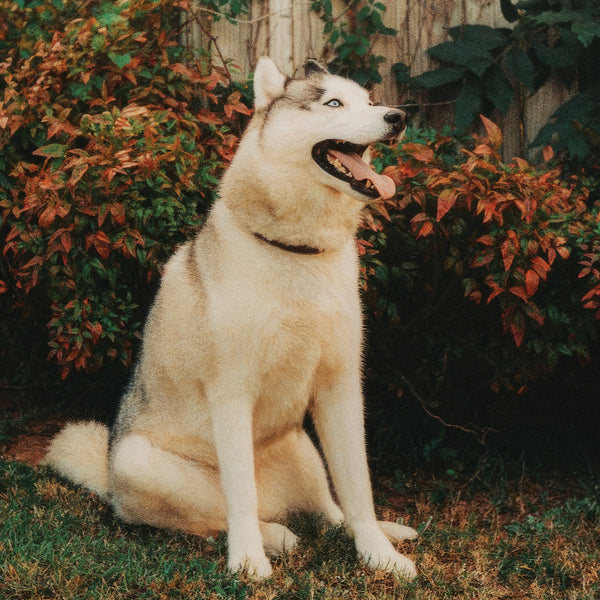
Zinc-responsive dermatosis: Siberian Huskies and Alaskan Malamutes have a genetic condition causing zinc malabsorption — these dogs develop crusting around the face, nose, and pressure points despite adequate dietary zinc. These dogs require zinc supplementation indefinitely, often at higher-than-standard doses under veterinary guidance.
When zinc supplementation matters: Beyond zinc-responsive breeds, zinc is worth supplementing in dogs with chronic skin disease, compromised gut absorption, or on prolonged antibiotic treatment (which disrupts the gut microbiome's contribution to zinc metabolism).
Dose: 5–15mg elemental zinc daily, depending on size. Forms: zinc gluconate and zinc picolinate are best absorbed. Zinc sulfate is common but slightly less bioavailable. Do not over-supplement zinc — toxicity can occur at excessive doses, and zinc competes with copper absorption.
Vitamin E
Vitamin E (primarily alpha-tocopherol in supplements) is a fat-soluble antioxidant that protects cell membranes from lipid peroxidation — oxidative damage to the polyunsaturated fatty acids in cell membranes. In skin:
- Membrane protection: Keratinocytes and sebaceous gland cells have high polyunsaturated fat content and are exposed to UV-generated reactive oxygen species. Vitamin E is the primary defense against membrane oxidation in these cells.
- Anti-inflammatory effects: Vitamin E inhibits NF-κB and reduces inflammatory cytokine production at the level of individual skin cells, complementing the systemic anti-inflammatory effect of omega-3.
- Wound healing: Supports the repair phase of wound healing and reduces scarring.
When vitamin E supplementation matters: Dogs with chronic inflammatory skin disease, dogs on high omega-3 supplementation (omega-3 increases demand for vitamin E to protect the additional polyunsaturated fatty acids from oxidation), and dogs with sebaceous adenitis or chronic UV exposure.
Dose: 50–400 IU daily depending on size. Fat-soluble, so give with a meal containing fat for absorption. Natural vitamin E (d-alpha-tocopherol) is better absorbed than synthetic (dl-alpha-tocopherol).
The synergy
These three micronutrients work alongside omega-3 rather than replacing it. Omega-3 reduces the inflammatory driver of skin conditions. Biotin provides the building blocks for structural keratin. Zinc maintains barrier function. Vitamin E protects membrane integrity during the inflammatory resolution process. The combination addresses the structural, functional, and oxidative dimensions of skin health that omega-3 alone doesn't cover.
Related: dog skin supplement guide · omega-3 for dogs · allergy supplement guide. MAYA's Skin & Coat supplement combines therapeutic omega-3 with biotin, zinc, and vitamin E in one daily chewable.