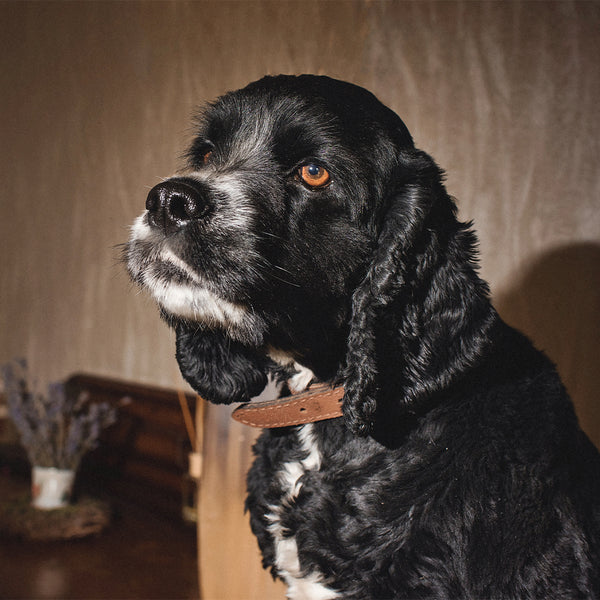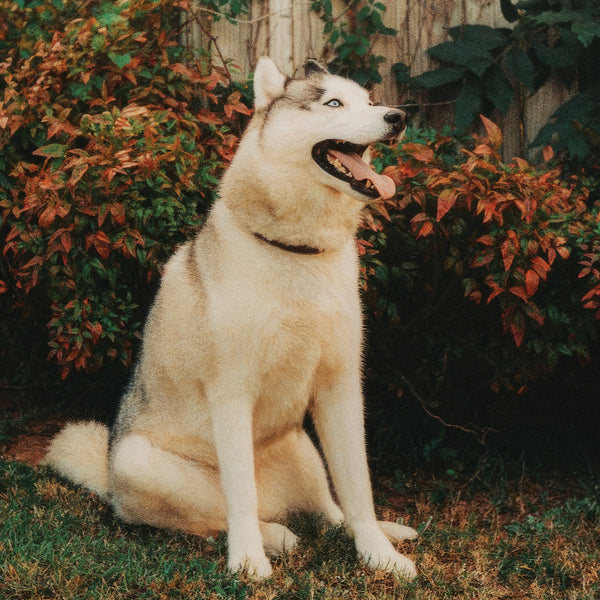


Border Terriers are small, wiry-coated working terriers from the Anglo-Scottish border region — hardy, long-lived, and generally robust by terrier standards. Their health profile is shaped by a breed-specific episodic movement disorder unique to this breed, significant atopic disease rates, and the joint conditions that affect small terrier conformations. The dietary dimension of CECS makes Border Terrier health management more nuanced than most small breed protocols.
Canine Epileptoid Cramping Syndrome (CECS / "Spike's Disease")
CECS is a Border Terrier-specific condition characterized by episodic involuntary movement, gastrointestinal signs, and altered mentation. Episodes typically involve abdominal guarding, retching or gut gurgling, followed by involuntary muscle tremors or spasms, an abnormal gait, and a post-ictal-like period of confusion or tiredness. Episodes range from minutes to over an hour. Between episodes, dogs appear completely normal. The condition does not cause progressive neurological damage and is not painful in the classical sense, though dogs appear distressed during episodes.
CECS is distinct from epilepsy — EEG studies during episodes do not show the cortical epileptiform discharges characteristic of true seizures. The underlying pathology is not fully established, but the most compelling hypothesis involves a gluten-sensitive enteropathy (analogous to coeliac disease in humans) that causes intestinal inflammation and altered gut permeability, leading to neurological sensitization through gut-brain axis mechanisms. This hypothesis is supported by the clinical observation that a significant proportion of CECS-affected Border Terriers show substantial reduction in episode frequency on strict gluten-free or grain-free diets.
Dietary management is the primary intervention for CECS. A hydrolyzed protein or novel protein elimination diet that excludes gluten-containing grains (wheat, barley, rye) for 8–12 weeks is the standard initial approach. Many owners and veterinarians report meaningful reduction in episode frequency. This is not a universal cure — some CECS dogs do not respond to dietary change, and some dogs in whom diet helps still have occasional episodes. The role of supplements in CECS management is secondary to dietary intervention. Probiotics are relevant given the suspected enteropathic component — restoring gut microbiome composition and reducing intestinal permeability may support the dietary effect. There is no supplement with documented efficacy for CECS itself.
CECS must be distinguished from true epilepsy (requires EEG and imaging), Scotty cramp (a serotonin-metabolism disorder in Scottish Terriers, clinically similar but distinct), and primary metabolic disease. Veterinary assessment is essential for any dog with episodic movement abnormality.
Allergic skin disease
Border Terriers have elevated atopic dermatitis rates — paw licking, facial rubbing, recurring ear infections, and interdigital inflammation are common presentations. The atopic Border Terrier often has concurrent food sensitivity, making elimination diet trials particularly relevant for this breed as both a CECS management strategy and an allergy diagnostic tool. A well-designed elimination trial covering 8–12 weeks on a novel protein or hydrolyzed diet addresses both conditions simultaneously.
Omega-3 EPA+DHA reduces inflammatory cytokine production and restores barrier lipid composition — the primary supplement for atopic Border Terriers. Quercetin provides mast cell stabilization and antihistamine-like effects relevant to environmental atopy. Bromelain enhances quercetin absorption and adds anti-inflammatory protease activity. Probiotics support the gut-immune calibration that influences allergic threshold — particularly relevant given the suspected gut dysbiosis component of CECS.
Hip dysplasia and Legg-Calvé-Perthes disease
Legg-Calvé-Perthes disease (LCP) is avascular necrosis of the femoral head — interruption of the blood supply to the femoral head epiphysis causes bone death, collapse of the femoral head, and painful coxofemoral arthritis. It occurs in small breeds, with the highest incidence in dogs under 25 lbs, and Border Terriers have documented breed predisposition. Clinical signs emerge typically between 4 and 12 months of age: progressive hindlimb lameness, muscle atrophy of the affected limb, and pain on hip manipulation. Treatment is surgical — femoral head and neck ostectomy (FHNO) or total hip replacement — as the necrotic bone does not spontaneously revascularize in affected dogs.
Post-surgical joint supplement support is appropriate: glucosamine and chondroitin for cartilage matrix support, MSM for anti-inflammatory sulfur substrate, and omega-3 for synovial anti-inflammatory effect. Hip dysplasia (distinct from LCP) is also present in the breed at moderate rates — joint supplementation from 12–18 months is appropriate as general preventive care for a breed with this orthopedic profile.
Progressive retinal atrophy (PRA)
Border Terriers carry PRA risk — progressive degeneration of retinal photoreceptors leading to night blindness followed by total blindness. DNA testing for specific PRA mutations is available. Lutein and astaxanthin supplementation supports retinal antioxidant defenses and may slow photoreceptor oxidative damage — appropriate as adjunctive support in breeds with PRA predisposition, with the expectation that they reduce rate of progression rather than prevent the underlying genetic degeneration.
The Border Terrier supplement protocol
- CECS management: dietary first. Trial gluten-free or novel protein elimination diet for 8–12 weeks before assessing supplement additions. Probiotics are appropriate as a concurrent adjunct to support gut barrier integrity
- Omega-3 EPA+DHA — for allergy, skin barrier, and general anti-inflammatory support; appropriate at therapeutic doses given the dual allergy and gut-inflammation context
- Quercetin + bromelain — for atopic dermatitis; mast cell stabilization and antihistamine effect
- Probiotics — gut microbiome support; relevant for both the CECS enteropathic hypothesis and for atopic disease gut-immune calibration
- Joint Care (glucosamine + chondroitin + MSM) — from 12–18 months as preventive; from LCP surgery recovery if applicable
- Lutein or astaxanthin — for retinal antioxidant support given PRA predisposition
DNA testing for PRA is available and recommended for all Border Terriers in breeding programs. Any dog with episodic movement abnormality should be assessed by a veterinarian before dietary or supplement changes — CECS diagnosis is one of exclusion after ruling out epilepsy and metabolic disease.
Related: allergy supplement guide · probiotics for dogs · omega-3 for dogs · joint supplement comparison · Cairn Terrier health guide.