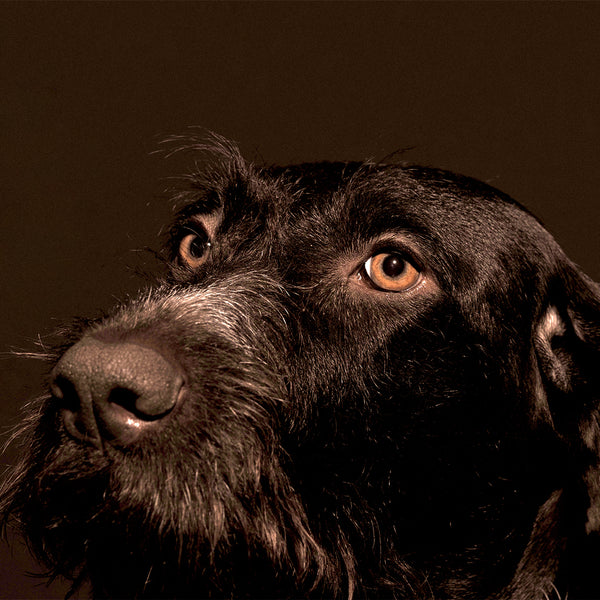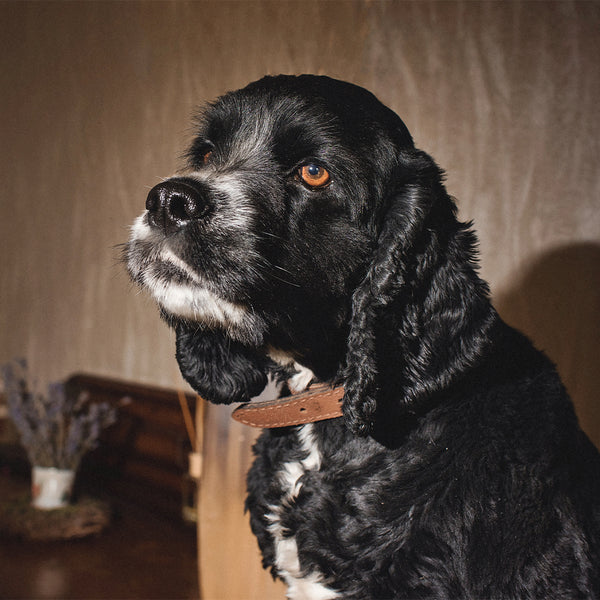


The Boston Terrier is a compact, brachycephalic breed developed in the United States from crosses between English Bulldogs and White English Terriers. The physical traits defining the breed — shortened skull, prominent eyes, screw tail — are inseparable from the health vulnerabilities they create. Boston Terrier owners should understand these anatomical trade-offs and how targeted supplementation fits into a proactive management strategy.
Corneal Ulcers and Ocular Vulnerability
Corneal ulcers are one of the most frequent emergency presentations in Boston Terriers, and the anatomy explains why: brachycephalic breeds have shallow orbits, which allow the globe to protrude significantly (exophthalmos). Prominent globes have greater corneal surface exposure to environmental trauma — debris, dry air, direct contact with bedding and grass — and lagophthalmos (incomplete eyelid closure during sleep) means portions of the cornea dry out chronically. Superficial corneal ulcers can progress rapidly to deep stromal ulcers, descemetocele, or perforation in a breed that cannot fully blink or lubricate the corneal surface normally.
Corneal health from a supplement standpoint centers on DHA (the dominant fatty acid in corneal cell membranes) and antioxidants that reduce oxidative damage to corneal epithelium. Omega-3 supplementation supports the meibomian gland lipid layer of the tear film — insufficient meibomian secretion (common in brachycephalic breeds) is a driver of evaporative dry eye (keratoconjunctivitis sicca), which predisposes to ulceration. Vitamin A is required for corneal epithelial differentiation; deficiency produces keratinization of the corneal surface.
Brachycephalic Obstructive Airway Syndrome (BOAS)
BOAS in Boston Terriers involves four anatomical components acting in concert: stenotic nares (narrowed nostrils), an elongated soft palate that partially obstructs the laryngeal inlet, a hypoplastic trachea (narrower than breed-size norms), and everted laryngeal saccules (secondary to chronic negative pressure from breathing through restricted upper airways). The result is chronically increased respiratory effort, exercise intolerance, heat intolerance, sleep apnea, and in severe cases, cyanosis and collapse.
BOAS cannot be addressed by supplementation — surgical correction of stenotic nares and soft palate is the definitive treatment for moderate-to-severe cases. However, the chronic inflammatory burden of BOAS-related upper airway irritation responds to omega-3's anti-inflammatory effect on airway mucosa. Weight management is critical — even modest excess weight worsens BOAS significantly. Supplements that support metabolic health (omega-3 for metabolic inflammation) and lean body composition are indirectly relevant.
Patellar Luxation
Patellar luxation (most often medial, Grade I–IV) is one of the most common orthopedic findings in Boston Terriers. The medial trochlear groove is insufficiently deep, allowing the patella to slip from its groove — intermittently in mild cases, permanently in severe. OFA data consistently places Boston Terriers among small breeds with elevated luxating patella rates. Grade I–II luxation is often managed conservatively; Grade III–IV typically requires surgery to deepen the trochlear groove and realign the tibial crest.
Joint supplementation is relevant for conservative management and post-surgical cartilage support. The articular cartilage of the trochlear groove and patella underside is subject to abnormal compressive forces in luxating dogs — glucosamine and chondroitin support cartilage matrix synthesis and inhibit degradative enzymes (MMP-3, aggrecanase). Omega-3 reduces synovial inflammation. MSM addresses the oxidative component of chronic joint stress. Begin supplementation at the time of diagnosis, not after cartilage damage is established.
Allergic Skin Disease
Boston Terriers have elevated rates of atopic dermatitis — the breed's relatively short, thin coat provides less barrier protection than double-coated breeds, and immune dysregulation in brachycephalic breeds is documented (altered Th1/Th2 balance, elevated IgE). Clinical presentation is typical canine atopy: facial rubbing, paw licking, axillary and inguinal pruritus, recurrent otitis externa, and secondary Malassezia or bacterial skin infections from chronic scratching. Environmental allergens (dust mites, mold, grass pollens) are primary triggers.
The supplement stack for Boston Terrier allergic skin disease: omega-3 at therapeutic anti-allergy dose (approximately 40mg/lb EPA+DHA daily) to shift the arachidonic acid to EPA ratio and reduce leukotriene and prostaglandin production; quercetin (a flavonoid with mast cell stabilizing activity) paired with bromelain (a cysteine protease that enhances quercetin mucosal absorption); and probiotics to calibrate gut-immune tone. The Th2-dominant allergic response in atopic dogs is modulated by gut microbiome composition — probiotic supplementation has documented benefit in canine atopy management.
Hemivertebrae
Hemivertebrae are malformed, wedge-shaped vertebrae resulting from incomplete ossification of one side of the vertebral body during development. In Boston Terriers (and other screw-tailed breeds: French Bulldogs, English Bulldogs, Pugs), hemivertebrae occur as a byproduct of the genetic selection producing the characteristically short, twisted tail — the same developmental pathway that creates the tail also affects thoracic vertebrae. Most hemivertebrae are incidental and non-progressive. However, when wedging produces angulation (kyphosis) at the spinal cord level, cord compression can cause hindlimb weakness, ataxia, or incontinence — onset typically 3–9 months of age.
Supplement relevance for hemivertebrae is indirect: omega-3 DHA supports neuronal membrane integrity in dogs with compressive myelopathy; antioxidants reduce secondary oxidative injury from spinal cord compression. These are supportive measures — surgical decompression is required for progressive neurological deterioration.
The Boston Terrier supplement protocol
- Omega-3 (EPA+DHA) — highest priority; addresses allergic skin disease, airway inflammation, corneal tear film (meibomian support), and joint anti-inflammatory; therapeutic dose for dogs with active allergy or joint disease
- Quercetin + bromelain — mast cell stabilization for atopic disease; bromelain is essential for bioavailability of quercetin in the GI tract
- Joint support (glucosamine + chondroitin + MSM) — for dogs with diagnosed patellar luxation or beginning from middle age as preventive cartilage support
- Probiotics — gut-immune calibration for atopic disease management; small-breed live culture count
Eye care note: Boston Terriers benefit from routine eye lubrication (veterinary-prescribed artificial tears) independent of supplementation. Supplement support for the cornea (DHA, vitamin A) is a long-term systemic measure, not a substitute for topical lubrication.
Related: allergy supplement guide · joint supplement guide · omega-3 guide · probiotics guide · omega-3 complete guide.