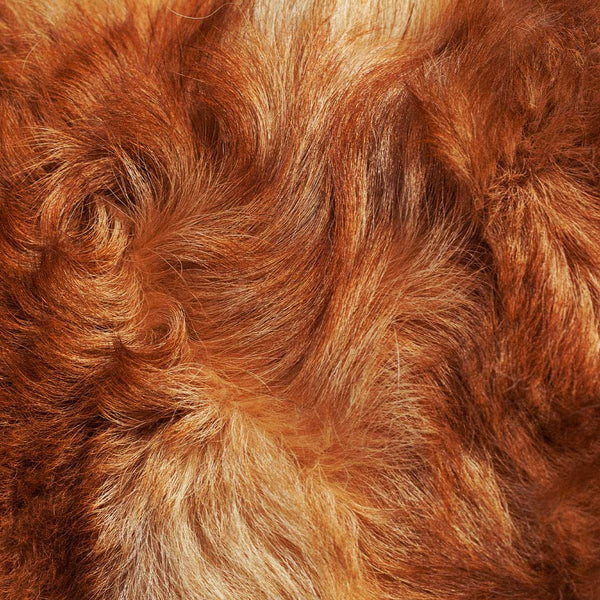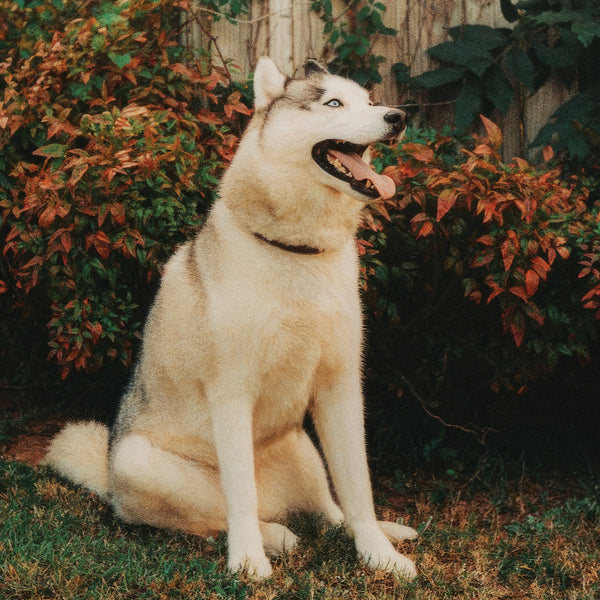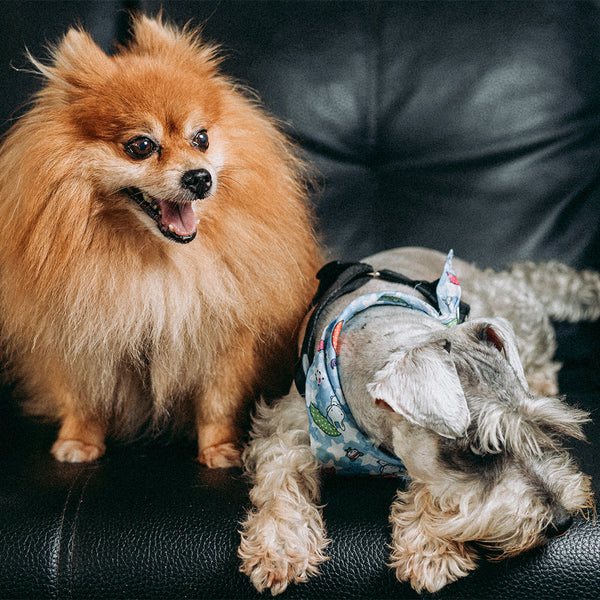


A dog's coat is the most visible indicator of internal nutritional and inflammatory status. Veterinary dermatologists use coat quality as a diagnostic shortcut because it reflects omega-3 balance, gut absorption efficiency, allergic inflammation, and overall metabolic health — often before owners notice symptoms anywhere else. Here's how to read what you're seeing.
Dull, dry, brittle coat
The most common presentation and almost always nutritional in origin. The sebaceous glands that produce the lipid coating of each hair shaft require adequate fatty acid substrates to function. When omega-3 is deficient relative to omega-6, the sebum composition shifts toward inflammatory lipid precursors rather than protective, lubricating ones. The result: dull, brittle hair with no sheen, poor water repellency, and increased susceptibility to breakage.
Timeline for improvement with therapeutic omega-3 supplementation: 8–12 weeks. The existing hair shafts don't change — you're growing a better coat from the root up, and hair grows slowly. The first sign of improvement is usually at the base of the coat where new growth is emerging.
Excessive shedding
All dogs shed — the question is whether shedding is appropriate to the breed, season, and life stage, or excessive. Abnormal excessive shedding signals one of three internal states:
- Omega-3 deficiency: The most common cause. Hair follicle cycling depends on fatty acid availability; deficiency shortens the anagen (growth) phase and extends the telogen (shedding) phase, increasing shed volume.
- Allergic inflammation: Skin inflammation disrupts normal follicle cycling. Atopic dogs often shed more during allergy flares — the connection between itching, inflammation, and shedding is direct.
- Gut malabsorption: Dogs eating high-quality food can still be nutrient-deficient if gut dysbiosis or enzyme insufficiency impairs absorption. Improving digestion often improves coat quality even without changing diet.
Hot spots, patches, and focal hair loss
Focal hair loss accompanied by redness, scaling, or crusting indicates a local pathology — secondary infection (bacterial or fungal), allergic hot spot, or self-trauma from localized pruritus. These are dermatological conditions requiring veterinary assessment alongside nutritional management.
Diffuse alopecia (hair loss across large areas) can indicate hormonal imbalances — hypothyroidism, Cushing's disease — and warrants bloodwork alongside any nutritional intervention.
Greasy, oily coat with odor
Excess sebum production with secondary Malassezia (yeast) overgrowth produces a greasy, rancid-smelling coat. Common in skin fold areas and brachycephalic breeds. The sebaceous hyperplasia is often allergy-driven — allergic inflammation stimulates sebaceous gland activity. Managing the allergic component reduces the sebum overproduction; anti-yeast topicals manage the secondary microbial component.
Dandruff (seborrhea sicca)
Dry, flaky skin with white scales indicates either primary seborrhea (a genetic condition in certain breeds — American Cocker Spaniels, West Highland White Terriers, Basset Hounds), environmental low humidity, or secondary seborrhea from allergy or hypothyroidism. Omega-3 supplementation and humidification help in secondary cases; primary seborrhea requires specific veterinary management.
The supplement intervention
For the nutritional and inflammatory causes: omega-3 at therapeutic doses addresses both the fatty acid deficiency and the allergic inflammatory component. Biotin supports keratin synthesis and sebum production quality. Zinc maintains the skin barrier structure. Vitamin E protects follicle cell membranes from oxidative damage. Together these address coat quality at the structural level rather than cosmetically.
If coat quality doesn't improve meaningfully at 12 weeks despite therapeutic omega-3 supplementation, investigation of gut absorption (digestive enzymes, probiotic support) and thyroid function is warranted.
Related: dog skin supplement guide · omega-3 dosing guide · shedding supplements. MAYA's Skin & Coat supplement combines therapeutic omega-3 with biotin, zinc, and vitamin E at research-supported doses.