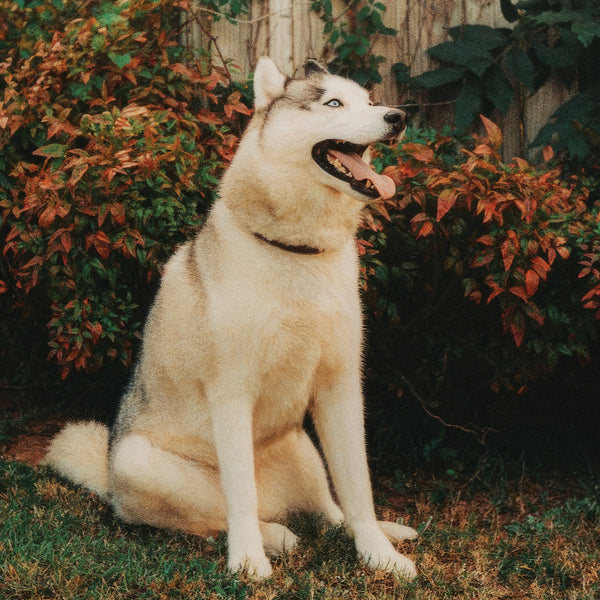


German Shorthaired Pointers are among the most athletic hunting breeds — high-energy, lean, and built for sustained field work. Their athleticism is both their defining quality and a source of health vulnerability. The joint stress, bloat risk from their deep chest, and elevated cancer rates make proactive supplementation particularly valuable for this breed.
The GSP health profile
Hip dysplasia: GSPs have significant hip dysplasia rates. The combination of large frame and intense field activity creates substantial joint loading from an early age. Many field-working GSPs compensate silently for hip discomfort — behavioral signs (slower to get up, reluctance for jumping) often precede any visible lameness. Preventive joint supplementation at 18–24 months is the standard recommendation.
Gastric dilatation-volvulus (GDV): The deep-chested, narrow conformation creates elevated bloat risk. GSPs are consistently ranked in the top 10 highest-risk breeds for GDV. Multiple small meals, post-meal rest, and digestive support are the prevention pillars. Some owners choose prophylactic gastropexy, particularly for active field dogs.
Lymphoma: GSPs have elevated lymphoma rates compared to the general dog population. Early omega-3 supplementation from 12 months is a reasonable proactive measure for cancer-prone breeds.
Allergies: Environmental atopy is common — producing paw licking, skin redness, and recurring ear problems. Their thin coat means skin inflammation is easily visible. Quercetin + omega-3 addresses the upstream immune driver.
Cone-rod dystrophy (CRD): GSPs are one of several breeds affected by progressive retinal degeneration. Antioxidant supplementation (vitamin E, C) and DHA (essential for photoreceptor membrane integrity) are relevant for GSPs with CRD or those at genetic risk.
The GSP supplement protocol
- Joint Care (glucosamine + chondroitin + MSM + turmeric) — start preventively at 18–24 months; large-breed doses; essential for field-working dogs
- Omega-3 (EPA+DHA) — cancer-immune support, joint anti-inflammatory, GDV risk reduction through gut motility; start from 12 months
- Digestive Care (probiotics + enzymes) — GDV risk reduction and gut-immune calibration
- Allergy support (quercetin + bromelain) — for the atopy subset
Related: joint guide · large breed supplements · allergy guide · omega-3 guide · digestion guide.