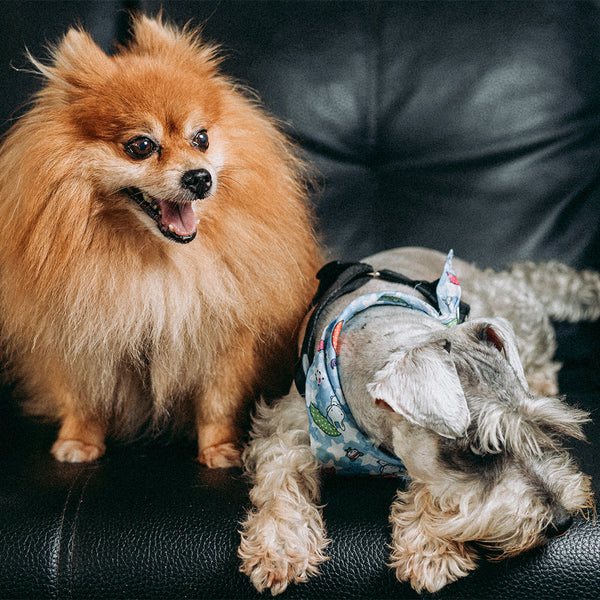


Aging in dogs is a physiological process with measurable, predictable changes in organ function, immune regulation, and tissue composition. Understanding what's actually changing — not just the visible manifestations — allows for more targeted proactive intervention rather than waiting for symptoms to become obvious.
The gut: declining enzyme production and microbiome shifts
Pancreatic exocrine function declines with age — enzyme output in senior dogs is measurably lower than in young adults, affecting protein, fat, and starch digestion efficiency. The gut microbiome also shifts: beneficial Lactobacillus and Bifidobacterium populations decline, while opportunistic and pro-inflammatory species expand. This dysbiosis has consequences beyond digestion — the gut-immune axis calibration changes, immune responses become less precisely regulated, and systemic inflammatory tone increases.
Practical consequence: senior dogs eating the same food they've eaten for years may be absorbing significantly less of it. Adding digestive enzymes often produces visible improvement in coat quality, stool consistency, and energy levels within 2–4 weeks — not because the diet changed, but because digestion of it improved.
Joints: accumulated wear and reduced repair capacity
Cartilage has limited repair capacity even in young dogs — chondrocyte turnover is slow and cartilage is avascular. With age, chondrocyte numbers decline and their metabolic activity reduces, decreasing the rate of glycosaminoglycan synthesis. Simultaneously, inflammatory enzyme activity (MMPs, aggrecanases) persists, accelerating net cartilage loss. The net cartilage balance — synthesis minus degradation — becomes increasingly negative with age.
This is why joint supplementation should start before symptoms appear in high-risk breeds, and why the therapeutic dose (not the label dose) matters increasingly in senior dogs. The joint tissue that degrades in year 8 can't be recovered in year 9.
The immune system: immunosenescence
Immunosenescence — age-related immune decline — affects multiple immune compartments. T cell diversity narrows as the thymus involutes, reducing the immune system's ability to recognize and respond to new threats. Regulatory T cell function declines, allowing subclinical inflammatory processes to persist longer. Secretory IgA production at mucosal surfaces decreases, reducing the first-line barrier against pathogens.
The practical consequence: senior dogs are more susceptible to infections, take longer to recover from illness, and often develop chronic low-grade inflammatory conditions. Probiotic support maintains gut microbiome diversity that supports immune calibration; colostrum provides exogenous IgA and PRPs; omega-3 maintains the SPM (specialized pro-resolving mediator) production that terminates inflammatory responses.
Skin and coat: declining sebaceous function
Sebaceous gland activity decreases with age — sebum production falls, reducing the protective lipid coat on skin and hair. Combined with lower omega-3 status in dogs who haven't been supplemented, senior dogs commonly develop dry, thinning coats and increased skin sensitivity. This is a nutritional and hormonal process, not just cosmetic.
Cognition: neural aging and DHA
Canine cognitive dysfunction (CCD) — the dog equivalent of dementia — affects a significant proportion of dogs over 11. Symptoms include disorientation, sleep-wake cycle disruption, altered social behavior, and loss of learned behaviors. DHA is the primary structural fat in neural membranes; its maintenance is relevant to both normal cognitive aging and CCD risk reduction. Therapeutic omega-3 supplementation is a standard component of CCD management protocols.
The senior protocol: all four categories
- Joint Care (glucosamine + chondroitin + MSM + turmeric) — maintain or increase to therapeutic dose; joint degradation accelerates in senior years
- Digestive Care (probiotics + enzymes + prebiotic) — most high-impact single addition for many seniors; addresses enzyme decline, microbiome shifts, and immune calibration simultaneously
- Omega-3 at therapeutic dose — anti-inflammatory, cognitive support, cardiac support, skin barrier; the most multi-purpose supplement for aging dogs
- Skin & Coat (omega-3 + biotin + zinc + vitamin E) — addresses declining sebaceous function and increased oxidative skin damage
Related: senior dog supplement guide · joint supplement guide · digestion supplement guide. MAYA's Complete Wellness Stack covers all four categories in one daily routine.