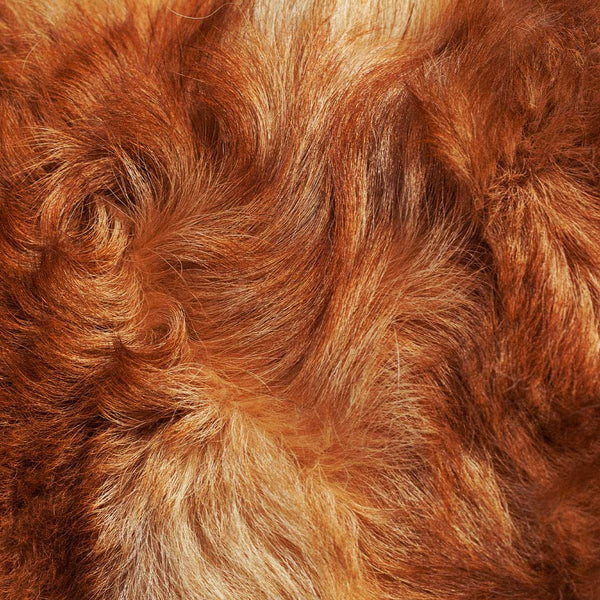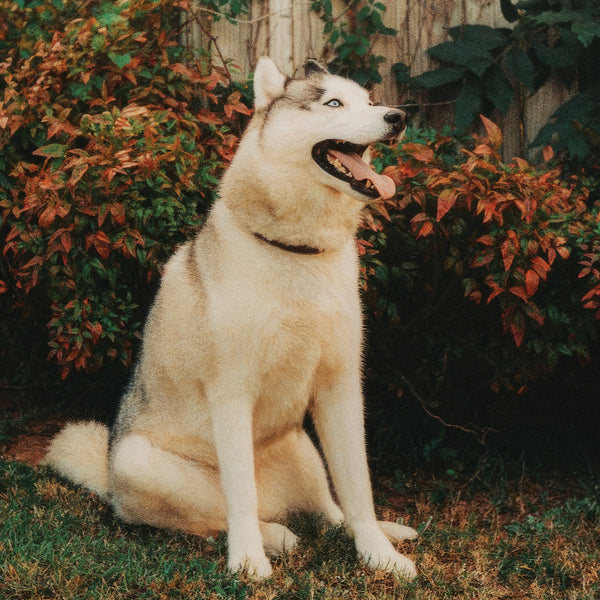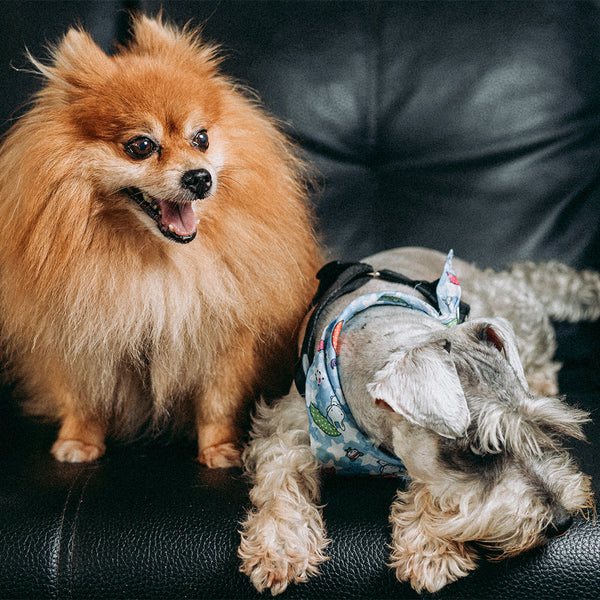


Vizslas are medium-sized Hungarian hunting dogs — energetic, lean, and deeply bonded to their owners. Their rust-gold short coat means any skin inflammation is immediately visible. The Vizsla health profile combines joint vulnerability from their active hunting lifestyle, meaningful allergy rates, and elevated cancer risk that warrants proactive supplementation from early adulthood.
The Vizsla health profile
Allergies and skin disease: Environmental atopy is common in Vizslas — producing redness, paw licking, and skin irritation that's highly visible on their short, sparse coat. Their ears, though pendant (hanging) and not as closed as Cocker Spaniels, are still prone to recurrent infections in atopic dogs. Quercetin and therapeutic omega-3 address the upstream immune driver.
Hip dysplasia: Vizslas have meaningful hip dysplasia rates given their hunting activity level and medium-large frame. Their athleticism means joint stress accumulates early — preventive joint supplementation at 18–24 months is appropriate. OFA screening in breeding lines is standard.
Lymphoma and mast cell tumors: Vizslas have elevated rates of lymphoma and mast cell tumors compared to the general dog population. Early omega-3 supplementation for immune modulation is a reasonable proactive measure in a breed with this cancer profile.
Epilepsy: Idiopathic epilepsy affects Vizslas at higher rates than many breeds. For epileptic dogs on phenobarbital, liver enzyme monitoring and milk thistle supplementation are relevant (phenobarbital is hepatotoxic over time). Omega-3 has some evidence for reducing seizure frequency as adjunct therapy.
Sebaceous adenitis: Like Akitas and Standard Poodles, Vizslas are affected by sebaceous adenitis at elevated rates — the inflammatory destruction of sebaceous glands producing scaling and hair loss. Anti-inflammatory supplementation (omega-3, quercetin) reduces the inflammatory component.
The Vizsla supplement protocol
- Omega-3 (EPA+DHA) — highest priority; addresses allergy, cancer-immune support, joint inflammation, and sebaceous adenitis simultaneously; start from 12–18 months
- Allergy support (quercetin + bromelain) — for the significant atopy subset; particularly visible on the short Vizsla coat
- Joint Care — from 18–24 months preventively; appropriate for an active hunting dog
- Probiotics — gut-immune calibration; supports the microbiome foundation of immune regulation
Related: allergy guide · joint guide · omega-3 guide · cancer supplement guide · skin supplement guide.