

Samoyed Supplements
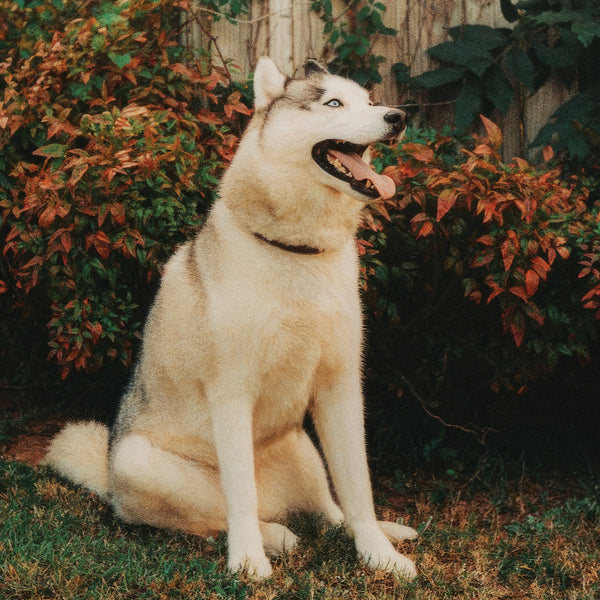
Samoyeds are striking Nordic spitz dogs with a dense white double coat, a friendly temperament, and a lifespan of 12–14 years. Their health vulnerabilities — hip dysplasia, Samoyed hereditary glomerulopathy (a kidney disease), PRA, and diabetes — create specific supplementation priorities that differ meaningfully from most other large breeds.
Primary health vulnerabilities in Samoyeds
- Hip dysplasia: OFA data shows elevated hip dysplasia rates in Samoyeds. Their muscular, active build accelerates wear in dysplastic hips. Large-breed joint supplementation from 12–18 months is appropriate preventive care.
- Samoyed hereditary glomerulopathy (SHG): An X-linked progressive kidney disease unique to Samoyeds, causing protein loss through damaged glomerular membranes. Males are severely affected; females are carriers with milder disease. Omega-3 has evidence for slowing progression of chronic kidney disease — discuss dosing with your nephrologist veterinarian for SHG-affected dogs.
- Diabetes mellitus: Samoyeds have elevated diabetes rates. Metabolic health support — omega-3 for insulin sensitivity — is adjunctive to insulin management.
- Coat health: Samoyeds' famous white double coat requires adequate omega-3, zinc, and biotin substrate for healthy growth, proper shedding cycles, and the characteristic bright white appearance.
Samoyed supplement stack
- Omega-3 (EPA+DHA) at therapeutic dose: For a 50–65 lb Samoyed: ~1,200–1,800mg EPA+DHA daily. Addresses joint inflammation, supports coat quality, and has evidence for renal protection in CKD — relevant for SHG-affected dogs.
- Glucosamine + chondroitin + MSM: Large-breed doses from 12–18 months for hip dysplasia prevention.
- Probiotics: Gut-immune calibration and digestive support — particularly relevant for diabetic Samoyeds where gut health influences glycemic control.
FAQs
Is omega-3 safe for a Samoyed with kidney disease?
Omega-3 (EPA+DHA) at therapeutic dose is one of the few supplements with veterinary evidence for slowing CKD progression. It reduces glomerular hypertension and proteinuria. However, dosing for SHG-affected Samoyeds should be confirmed with a veterinary nephrologist given the specific disease mechanism.
Bundle with Hip & Joint for complete Samoyed joint and coat coverage.
See also: large breed supplements · omega-3 for dogs · MAYA journal