

A dog's coat is among the most visible indicators of its nutritional and health status. Hair is not a passive structure — it is a metabolically active keratin protein that requires a continuous supply of sulfur-containing amino acids, zinc, biotin, and fatty acids for synthesis, and a well-functioning follicle environment to cycle correctly. Coat quality declines measurably with nutritional deficiency; it improves measurably with targeted supplementation — but the mechanism matters for understanding what to expect and on what timeline.
The hair growth cycle in dogs
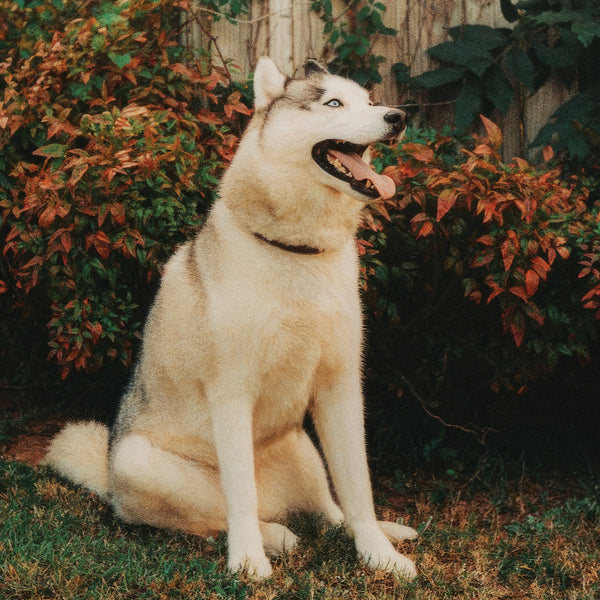
Canine hair follicles cycle through three phases: anagen (active growth), catagen (regression), and telogen (resting, followed by shedding). The proportion of follicles in each phase at any time determines shedding rate and coat density. In single-coated breeds, follicle cycling is relatively continuous. In double-coated breeds — Huskies, Golden Retrievers, German Shepherds, Samoyeds — the undercoat cycles seasonally in large synchronized waves driven by photoperiod changes, producing the dramatic seasonal shedding ("blowing coat") that owners find alarming but is entirely normal.
Omega-3 fatty acids have documented effects on the hair growth cycle: EPA+DHA prolongs the anagen phase and supports follicle vascularity, the blood supply that delivers nutrients to the growing hair root. This translates to reduced shedding from prematurely entering telogen, improved follicle density, and better coat texture — but it cannot suppress normal seasonal shedding in double-coated breeds, which is photoperiod-driven rather than nutritionally mediated.
Why coat quality reflects nutritional status
Hair is approximately 95% keratin — a structural protein whose α-helical and β-sheet configurations depend on disulfide bonds between cysteine residues. Cysteine is a sulfur-containing amino acid; adequate dietary sulfur-containing amino acids (methionine and cysteine) are therefore directly limiting for keratin synthesis. Dogs with protein-restricted diets, malabsorptive gut conditions, or inadequate sulfur amino acid intake develop dull, brittle, slow-growing coats measurably before other signs of nutritional deficiency appear, because hair growth is a relatively low-priority sink for amino acids — the body redirects them to essential organs first.
Several micronutrients are essential cofactors in the follicle and keratinocyte metabolism that produces this keratin:
The four key nutrients for coat quality
Omega-3 EPA+DHA: Reduces follicular inflammation — inflammatory cytokines in the skin around hair follicles disrupt the anagen phase and drive premature telogen entry. This is the primary mechanism by which atopic dermatitis and chronic skin inflammation cause poor coat quality alongside pruritus. Omega-3 also restores the skin surface lipid composition that gives coat its sheen — sebum quality is directly influenced by dietary fatty acid composition. Dogs on high omega-3 protocols consistently show improved coat gloss within 6–8 weeks.
Biotin: Cofactor for acetyl-CoA carboxylase and thus for de novo fatty acid synthesis within keratinocytes. Biotin is also a cofactor for enzymes involved in amino acid catabolism that feed into keratin synthesis pathways. Biotin deficiency causes the classic dull, dry, flaky coat and brittle hair — this is a reversible nutritional effect. Supplementation at 1,000–5,000 mcg/day in dogs supports ceramide synthesis in the follicle, keratinocyte proliferation, and the lipid quality of the hair shaft itself. Timeline for visible biotin effect on coat: 6–8 weeks minimum.
Zinc: Essential for keratinocyte proliferation, follicle development, and keratin protein cross-linking. Zinc-deficient dogs develop dry, scaling, dull coats that are clinically indistinguishable from poor diet or biotin deficiency in mild cases. Zinc is also required for the matrix metalloproteinases that remodel the follicle environment during cycling. Zinc methionine has significantly better bioavailability than inorganic zinc sources.
MSM (methylsulfonylmethane): MSM is an organic sulfur compound that serves as a bioavailable sulfur donor. Sulfur is the direct substrate for the disulfide bonds in keratin that determine hair shaft strength, elasticity, and resistance to breakage. Dogs with brittle, easily broken coat benefit more from MSM than dogs with primarily dull or thin coats. MSM is safe at doses of 50–100 mg/kg bodyweight; it is water-soluble with a wide safety margin.
Excessive shedding: normal versus pathological
This distinction is clinically important and frequently misunderstood. Double-coated breeds — Siberian Huskies, Golden Retrievers, German Shepherds, Bernese Mountain Dogs, Samoyeds, Corgis — shed their undercoat in dramatic seasonal blows that fill rooms with fur and alarm owners unfamiliar with the breed. This is normal coat cycling driven by decreasing photoperiod and is not a nutritional deficiency. No supplement eliminates or significantly reduces normal seasonal shedding in double-coated breeds.
Supplementation is appropriate for:
- Dull, brittle, or dry coat regardless of breed or season
- Thin coat in a dog known to have adequate coat density previously — often nutritional or thyroid-related
- Excessive non-seasonal shedding — diffuse, continuous shedding outside normal blow cycles that may indicate hypothyroidism, nutritional deficiency, or chronic skin inflammation
- Dry, flaky skin driving secondary shedding — the scale and dead skin disrupting normal coat cycling
- Poor coat quality post-illness, post-surgery, or after a period of inadequate nutrition
Timeline for measurable coat improvement
The hair growth cycle is the rate-limiting factor. A new hair shaft generated with improved nutritional support must grow out to be visible — the existing shaft, formed under previous conditions, is already fixed. In dogs with anagen duration of 6–8 weeks (most short to medium-coated breeds), visible coat improvement requires 6–10 weeks of consistent supplementation minimum. In long-coated breeds with extended anagen phases, the timeline extends to 10–16 weeks before the full coat reflects the nutritional change. This is not a sign that supplementation isn't working — it's follicle biology.
Related: skin supplement guide · omega-3 for dogs · biotin, zinc, and vitamin E guide · MSM for dogs · shedding supplement guide.