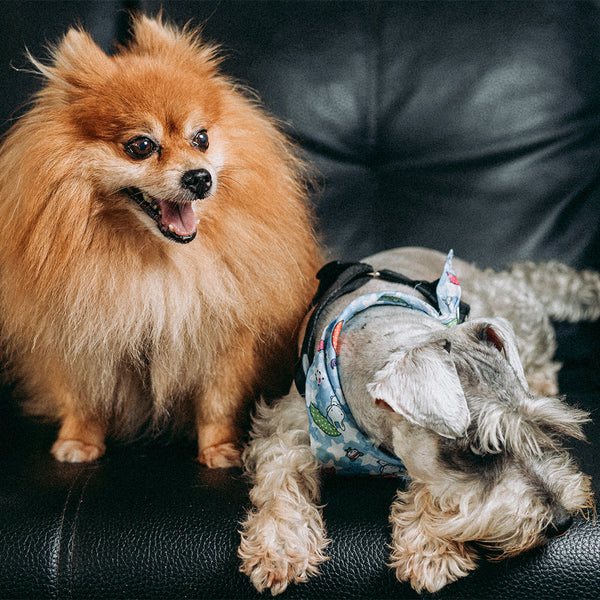


Canine cognitive dysfunction (CCD) — sometimes called "doggy dementia" — is a neurodegenerative condition with similarities to Alzheimer's disease in humans. It affects approximately 28% of dogs aged 11–12 and over 50% of dogs aged 15+. CCD is progressive, but early supplementation meaningfully slows decline. This is one of the most evidence-rich areas for canine supplementation.
What CCD looks like
The acronym DISHAA captures the clinical signs: Disorientation (getting lost in familiar spaces, staring at walls), altered Interactions with family (less interested in social engagement), Sleep-wake cycle disruption (sleeping during the day, wandering at night), loss of Housetraining, reduced Activity, and Anxiety (new or increased). CCD typically begins with subtle signs — changes in sleep patterns or reduced interest in play — that owners attribute to "normal aging" but are early CCD.
Supplements with the strongest evidence for CCD
Omega-3 (EPA+DHA) — the single most important supplement: DHA is the dominant fatty acid in neuronal membranes. Supplementation maintains neuronal membrane fluidity, reduces neuroinflammation (a key CCD driver), and supports synaptic function. Studies show omega-3-supplemented senior dogs score higher on cognitive tests than unsupplemented controls. The therapeutic dose is appropriate for CCD dogs — 40mg/lb daily.
MCT oil (medium-chain triglycerides): The most novel and evidence-supported CCD intervention. The aging brain preferentially metabolizes ketones over glucose — MCT oil provides an alternative fuel source that bypasses the glucose metabolism impairment of CCD. Hill's Prescription Diet b/d was the first commercial diet to incorporate MCT for cognitive support. MCT oil at 1–2 teaspoons daily (small dogs) to 1–2 tablespoons (large dogs) with food; start low and increase gradually to prevent GI upset.
SAMe (S-adenosylmethionine): The same compound used for liver support also has documented effects on cognitive function. SAMe is involved in neurotransmitter synthesis, methylation reactions in neuronal signaling, and antioxidant (glutathione) production in brain tissue. Novifit (NoviSAMe) is the veterinary formulation. This is the supplement with the most robust evidence specifically labeled for canine cognitive function.
Antioxidants (vitamin E, vitamin C): Oxidative stress is a primary CCD mechanism — the aging brain accumulates reactive oxygen species that damage neurons. Antioxidant supplementation reduces this burden. Used in combination with omega-3 and MCT in the clinical studies supporting CCD supplement protocols.
When to start
Begin cognitive support supplementation at the first signs of behavioral change — waiting until obvious dementia significantly limits the benefit. For high-risk dogs (all giant breeds, dogs over age 9 in general), preventive omega-3 and antioxidant supplementation is reasonable before signs appear.
Related: senior dog guide · omega-3 guide · how dogs age · supplement timing guide · senior joint supplements.